


In traditional Ayurvedic medicine, there are a number of spices and herbs that have been highly valued for their healing properties for centuries. One of these botanical gems is Tulsi, also known as “holy basil”. Tulsi holds a special place in the heart of Ayurveda, not only for its rich cultural and spiritual significance, but also for its remarkable medicinal properties. Learn about this extraordinary plant.
What is Tulsi used for in Ayurvedic medicine?
🌿Lung and respiratory health 💚
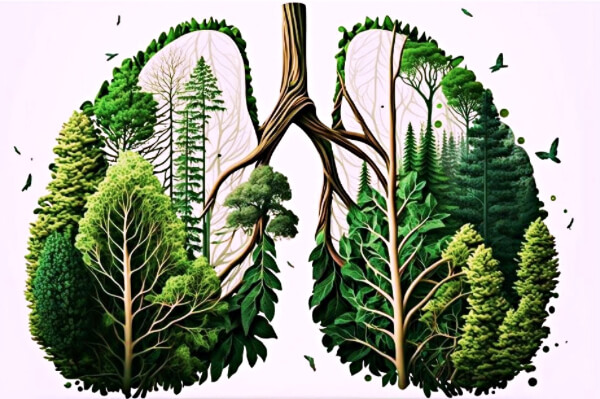
Tulsi contains various compounds that support the preservation and improvement of respiratory health. It acts as a natural bronchodilator, improving airflow, clearing the airways of phlegm and relieving chest discomfort. It is particularly beneficial for respiratory conditions such as asthma and bronchitis, as it can relieve breathing difficulties and reduce the severity of asthma attacks. Its anti-inflammatory and antimicrobial properties are effective in relieving coughs and cold symptoms. Consuming Tulsi tea or using Tulsi in the form of herbal powder can help reduce the duration and severity of cold and flu symptoms. Tulsi is rich in antioxidants and has a strong anti-inflammatory effect, helping to relieve the symptoms of chronic obstructive pulmonary disease (COPD) and bronchitis. Its ursolic acid content relieves allergy symptoms, including sneezing, nasal congestion and shortness of breath.

Stress release and mental freshness 🌿
Tulsi helps the body adapt to stress, making it an effective remedy for anxiety and mental fatigue. It helps to calm the mind and its sattvic (pure energy) nature promotes mental freshness.
Supporting cardiovascular health 💚
Tulsi leaves contain compounds that may help reduce blood pressure and the risk of heart conditions. It helps improve circulation, lower cholesterol and prevent blood clots.
Tulsi and the doshas
In Ayurveda, our health is closely linked to the balance of the three basic energies or doshas: vata, pitta and kapha. Every person has a unique body constitution (Prakriti), which is determined by the balance of energies in the body. The interaction between Tulsi and doshas may vary depending on the dominance of the individual’s dosha. Tulsi helps pacify Vata and Kapha dosha excess and increases Pitta dosha, so it is not recommended in case of aggravated Pitta.
Tulsi’s grounding and calming properties help to reduce excess Vata dosha (air), which is associated with anxiety, restlessness and irregular digestion. The adaptogenic and stress-reducing properties of Tulsi can help pacify excess Vata energy.
The heating energy and pungent taste of Tulsi stimulates digestion and helps to reduce excess Kapha (water) energy.
Interesting facts about Tulsi
Tulsi (Ocimum sanctum or Ocimum tenuiflorum) is a fragrant, leafy green herb native to India and has been cultivated for over 3000 years. It belongs to the Lamiaceae family, which includes other aromatic herbs such as mint, rosemary and thyme. The name ‘Tulsi’ is derived from the Sanskrit word ‘Tulasi’, meaning ‘unparalleled’. This name testifies to the deep significance of the herb in Hinduism, where it is considered sacred and is often found in temple courtyards and home gardens.
Spiritual significance of Tulsi

“Along with the padma (lotus), basil is India’s most sacred plant. Tulsi is sattvic in nature. It opens the heart and mind, bestowing the power of love and devotion (bhakti). In the sacred devotion of Vishnu and Krishna, it enhances the sense of loyalty and compassion, the clarity of consciousness. Tulsi stems are worn as rosaries, it increases attachment. Basil provides protection from the celestial powers by purifying the aura and strengthening the immune system. “1
In Hinduism, Tulsi is seen as an earthly manifestation of the goddess Vrinda. It is an essential element of worship and daily rituals, especially in Vaishnavism. It purifies the environment and protects against negative energies.
Traditional Eastern Medicine
Tulsi is an essential herb not only in Ayurvedic medicine, but also plays a prominent role in traditional Chinese medicine, Thai and other Asian healing systems.
Tulsi can be consumed in various forms
Tulsi tea: Hot tea made from fresh or dried Tulsi leaves is a popular and effective way to support respiratory health. Add a drop of honey or take it plain.
Tulsi capsule or food supplement: natural Tulsi powder in capsule is an effective and convenient way to consume this herb.
Steam inhalation: inhaling Tulsi steam soaked in hot water can be soothing for respiratory complaints.
If you have a respiratory condition, take regular medication or have low blood sugar levels, we recommend you consult an Ayurvedic specialist before trying Tulsi. They can help determine your body type and current dosha imbalances to determine the right treatment.
References: 1 Dr. David Frawley – Dr. Vasant Lad “The Yoga of Herbs”
