


Spring has finally arrived after the long winter months! It is a season of renewal, new beginnings, recharging and growth. Seeds are sprouting, trees are blossoming, plants and wildlife are coming to life after the winter months of quiet rest. Our bodies sense a natural opportunity to refresh; to correct imbalances and rejuvenate our deepest tissues.
According to ayurveda, each season is dominated by different dosha energies: vata (air and ether), pitta (fire and water) and kapha (earth and water). Basically, the spring season is dominated by kapha (water) energy, which is associated with qualities such as cool, wet and heavy. In the Carpathian Basin, however, this season typically sees an increased balance of warm Vata air. As the weather starts to warm up with the coming of spring, the wind arrives and the air becomes drier, the same temperatures feel warmer in the spring than in the autumn. Spring detoxification can help our bodies clear the Kapha energy that has built up in our bodies over the winter, which can manifest as colds, allergies, fatigue or even emotional lethargy. Kapha, made up of the elements of water and earth, regulates the stability, structure and fluid balance of the body.
During the transitional period of spring, it is worth adapting your daily routine to the subtle seasonal changes by following the dynamic flow of nature. After the cool, wet winter months, we need to balance the predominance of kapha and vata energies. As the weather gets drier and warmer in late spring and summer approaches, we will need to focus more on balancing the increase in pitta energy.
To best support our health during this season, Ayurveda suggests a few simple yet effective lifestyle adjustments:
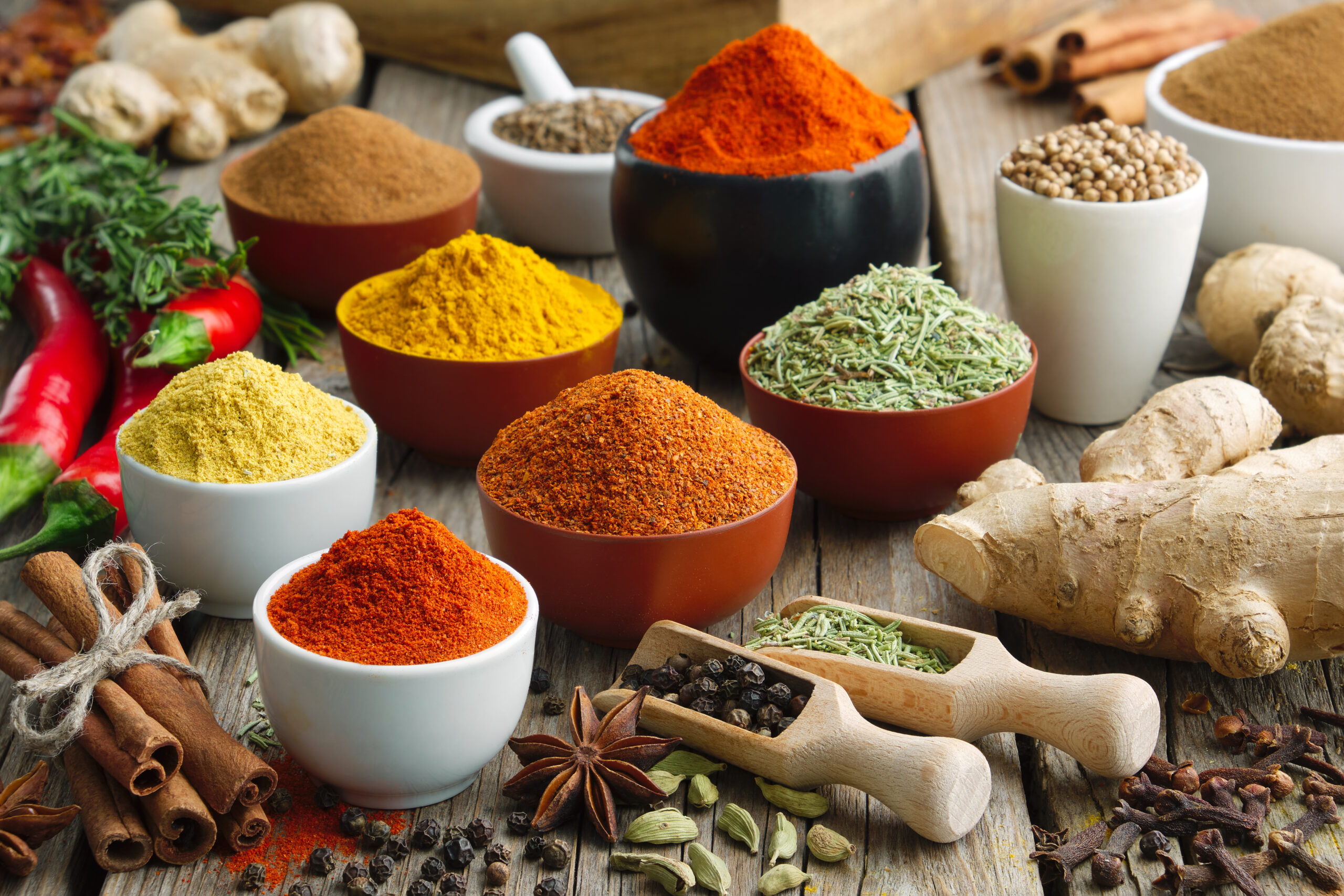
Adjust the balance of flavours in your food according to the change of season, with a focus on reducing Kapha and Vata energy in March and April. Spicy flavours reduce Kapha (water) energy and increase Pitta (fire) energy, so feel free to spice up your food as spring arrives. Bitter and astringent flavours help to offset the elevated Kapha (water) energy in our environment, but for Vata type individuals, astringent and bitter flavours should be consumed in moderation as they increase Vata energy. Bitter, spicy and astringent tastes stimulate digestion and help to process the accumulated moisture (kapha energy) in the body.
Sweet, salty and sour flavours should be consumed in moderation as they increase Kapha energy. As summer approaches, from May onwards, it is more important to balance the accumulation of rising Pitta energy, with sweet. Bitter and sour tastes help reduce excess pitta. It’s important to take into account your individual body type (Prakriti), complete our online dosha test to find out your Ayurvedic body type and your body’s current state of balance.
With the arrival of spring, our body signals that it’s time for a change of diet. Instead of heavy, substantial meals, we crave fresh vegetables, salads and fruit. However, it’s important to resist the temptation and continue to eat steamed and cooked foods, as eating raw fruit and vegetables can put a strain on our metabolism. Choose light cereals such as rice, maize, quinoa, barley, red lentils and chickpeas. Feel free to eat vegetables steamed or lightly cooked, this will help the effective absorption of vitamins and nutrients and help maintain internal warmth.
Foods to minimise in the springtime include fast foods, meat in general, sweets, soya products, nuts, excessive amounts of bread and cold foods. Avoid heavy or watery vegetables such as avocados, cucumbers, olives, sweet potatoes, pumpkin or courgettes. Gradually reduce your intake of heavy, oily or fried foods. Try to cut back on overeating or snacking between meals, and put less emphasis on sweet, sour and salty flavours. Heavy or acidic fruits such as oranges, bananas, pineapples, figs, dates, coconuts and melons should also be reduced. It is also worth cutting back on dairy products. Rice and almond milk are great substitutes for animal milk. If you do drink cow’s milk, boil it first, add a pinch of turmeric or ginger and drink it warm to make it easier to digest.
Although hydration is important all year round, fluid builds up in the body during the winter, so it’s important to moderate hydration in the spring. It’s still a good idea to cook with less oil and water, avoid watery, cooling vegetables and fruits such as cucumber, pineapple and avocado. Best to minimise cold drinks, frozen yoghurt and ice creams at this time of year too. Opt for warm ginger-honey-lemon water or herbal teas instead. Warm drinks stimulate digestion and help clear accumulated Kapha. Herbal teas made with ginger, cinnamon or tulsi are excellent for balancing Kapha too.
Incorporating natural Ayurvedic herbs and seasonal spices into your daily routine strengthens the immune system, detoxifies and harnesses the power of naturally occurring antibiotics and antiviral herbs. Ginger, turmeric, coriander, fennel and black pepper stimulate digestion and metabolism, as well as aiding the body’s natural detoxification processes.
Guggul comes from the resin of the Commiphora mukul tree, native to India. Known for its powerful detoxifying properties, it is often used to regulate healthy cholesterol levels, maintain optimal body weight and promote joint health. Guggul is a key ingredient in many Ayurvedic formulas, as it both detoxifies and promotes the body’s renewal process.
Tulsi, also known as holy basil, is considered a sacred plant in India and is praised for its holistic healing properties. It is an adaptogenic herb, meaning it helps the body adapt to stress and promotes mental balance. It is also known for its antioxidant properties, promoting respiratory health and supporting the immune system.
Triphala is a classic Ayurvedic blend of three fruits: amalaki (Emblica officinalis), bibhitaki (Terminalia bellirica) and haritaki (Terminalia chebula). It promotes digestive health, acts as a powerful antioxidant and supports the body’s natural detoxification process. Triphala is widely used for its gentle cleansing properties and its ability to rejuvenate the body.
Bhumiamla, also known as Phyllanthus niruri, is a herb that has a crucial role in supporting liver health. It helps cleanse and detoxify the liver and is often used to treat liver-related problems. Bhumiamla is also known for its antiviral and antimicrobial properties, making it a versatile herb in Ayurvedic medicine.
Trikatu is a powerful combination of three spices: black pepper (Piper nigrum), long pepper (Piper longum) and ginger (Zingiber officinale). It enhances digestive fire (Agni), improves the absorption of nutrients and helps to eliminate toxins from the body. Trikatu is a common addition to many Ayurvedic formulas designed to promote respiratory health and stimulate metabolic processes.

To stimulate circulation and help remove toxins, an abhyanga massage with warm oils such as sesame, mustard or sunflower oil is very beneficial. Dry rubbing before massage can also help remove dead skin cells, and regular massage nourishes the skin and soothes the nervous system. You can also massage yourself with sandalwood or chickpea powder, which promotes healthy lymph nodes, reduces moisture build-up in the body and removes dead skin cells. (Don’t pour used powder down the drain, it can block it!) It’s worth incorporating this into your routine on a monthly or weekly basis.
Do more intense exercise to warm up the body and reduce stagnant Kapha energy. Activities such as fast paced walking, jogging, cycling and yoga can be particularly beneficial. Breathing exercises (Pranayama) can also help clear the channels and support respiratory health. Taking a sauna is also great at this time of year, helping to get rid of excess fluid build-up in the body.
Recommended yoga practices include: sun salutation (suryanamaskara), fish pose (matsyasana), wheel pose (cakrasana), camel pose (ustrasana). These help to refresh the blood circulation and support healthy kidney and lung function. Recommended pranayama practice: kapalabhati
Spring is a season of new beginnings and is ideal for cleansing and rejuvenating our bodies and minds. With a diet based on the wisdom of Ayurveda, hydration, herbs and spices, massage and exercise, we can balance the Kapha (water) energy that accumulates in winter and the Vata (air) energy that increases in spring. Ayurveda is a highly personalized system of medicine and recommendations may vary based on individual body type and current imbalances. Consulting an Ayurvedic practitioner can provide personalised guidance on how to optimise your health at any time of the year. To learn more about your Ayurvedic body constitution, complete our online test.
🌸 Take an active role in your health preservation and embrace the vibrant energies of spring! 🌸
References: Dr.Frawley Ayurvedic healing, Sebastien Pole Ayurvedic medicine, Dr Vasant Lad Ayurveda