


🌿 December is the time to strengthen your small intestine with Ayurveda in the annual health care programme💪
In Ayurveda, the small intestine is considered to be a vital part of the digestive system, controlled by the transforming power of Pitta. Its primary function is to break down ingested food into elemental components facilitated by the digestive fire (Agni 🔥). The small intestine (Sanskrit: grahani) plays a key role in the absorption of essential nutrients, converting processed foods into nourishing fluids that are transported throughout the body. If the small intestine is not functioning optimally, food cannot be absorbed and processed effectively. Constipation or diarrhoea, bloating and appetite disturbances may typically occur. Aligned with a subtype of the Vata dosha, Apana Vayu, the small intestine supports the downward movement and elimination of waste products, ensuring the maintenance of a healthy digestive system. Overall, the harmonious functioning of the small intestine is integral to balanced doshas and optimal digestive health in Ayurvedic philosophy.
Herbal remedies for healthy digestion
Ayurveda traditionally uses natural herbs and spices (not extracts) to support small intestinal health. Absorption is best supported by bitter and pungent flavours such as asafoetida, ginger, cloves, fennel and cinnamon.
Some key benefits of the most commonly used herbs and spices that ayurveda recommends to keep the small intestine healthy:

Bael
Bael, also known as Bilva, has an astringent and bitter taste that aids digestion, while its post-digestive effect (vipaka) is pungent. It has a heating effect (virya), helping to balance the downward flow of vata (air) energy. It is a popular herb in ayurveda for its beneficial impact on the small intestine and the digestive system as a whole. The astringent action helps reduce kapha (water) energy accumulated in the colon. It is an excellent remedy for all intestinal tract problems, helping to rebuild the intestinal mucous membrane. In terms of its dosha effect, it helps to pacify vata (air) and kapha (water) energies, while excessive consumption can aggravate pitta (fire) energy.
Hajam Gola

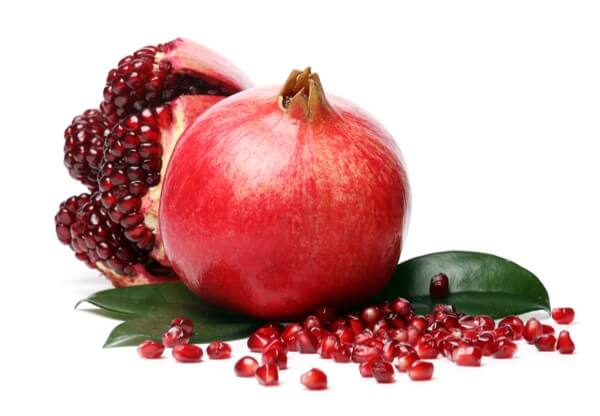
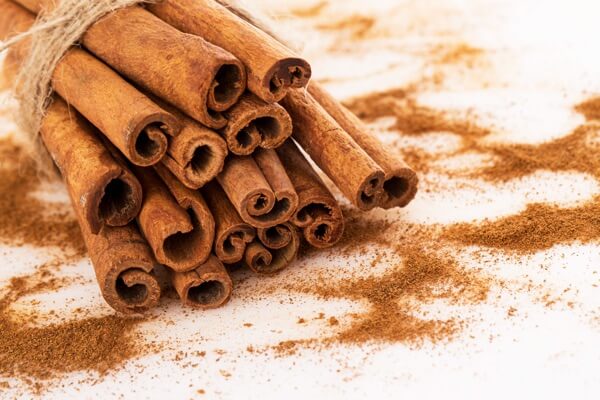
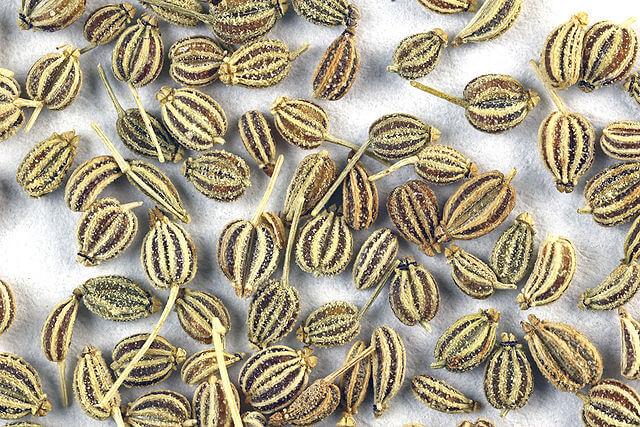
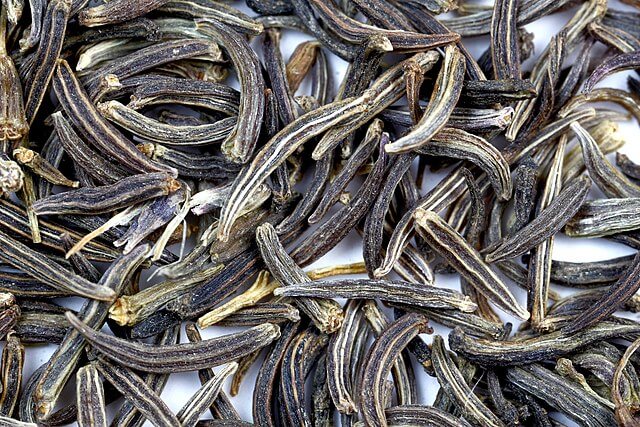
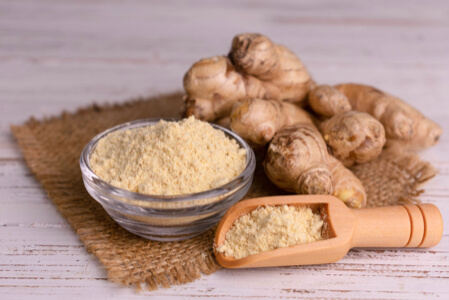
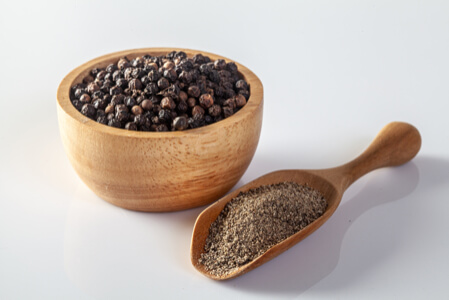
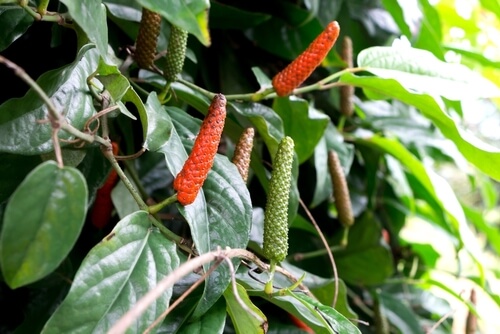
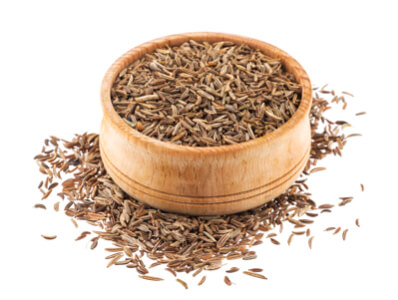
Hajam Gola is a spice and herb blend with the following ingredients: Amla (Emblica officinalis), Anardana (Dadim-Punica granatum), Dalchini (Cinnamomum cassia), Hing (Ferula asafoetida), Ajwain (Ptychotis ajowan), Kala jeera (Nigella sativa), Sunth (Zingiber officinale), Kali Miri (Piper Nigrum), Pippali (Piper Longum), Jeera (Cuminum cyminum).
- Amla: antioxidant-rich organic source of vitamin C, immune booster and digestive aid
- Anardana-pomegranate: appetite stimulant, reduces bloating, assists in the breakdown of food, has a cooling effect
- Dalchini-cinnamon: stimulates the digestive fire (Agni), carminative herb that helps relieve gas and bloating, enhances digestive efficiency, anti-inflammatory, antimicrobial, astringent
- Ajwain: its water reducing properties help relieve bloating and flatulence, stimulates digestion, traditionally used to relieve indigestion and gastric distress, antispasmodic – can help relax and soothe the smooth muscles of the digestive tract, improves appetite, stimulates metabolic processes
- Kala Jeera-black cumin: digestive stimulant, antispasmodic, balances all three doshas – Vata, Pitta and Kapha – this balancing effect can contribute to overall digestive harmony, anti-inflammatory, mild laxative action promotes regular bowel movements
- Sunth-ginger: digestive stimulant, boosts metabolism to promote efficient breakdown of food, anti-inflammatory, relieves nausea, reduces bloating, balances the doshas of Vata and Kapha, excessive consumption increases the dosha of Pitta
- Kali Miri-black pepper: increases the production of digestive enzymes, thus facilitating the digestive process, appetite stimulant, detoxifying and anti-inflammatory
- Pippali-long pepper: stimulates digestion, aids efficient breakdown of nutrients, anti-inflammatory, balances Vata and Kapha doshas, excessive consumption increases Pitta dosha
- Jeera cumin: appetite stimulant, strengthens the digestive system, anti-inflammatory, mild laxative, diaphoretic, blood purifying
Asafoetida
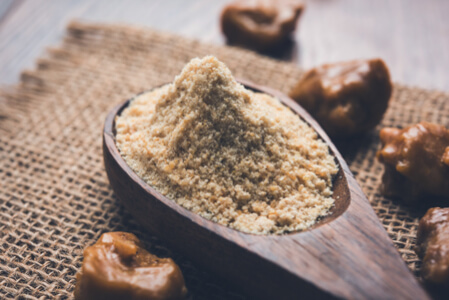
Hing, also known as Devil’s Root or Asafoetida (Ferula asafoetida), is a resin obtained from the root of a plant of the Ferula species. In Ayurveda, asafoetida is used for its digestive properties, among others. It acts as a digestive aid in the second stage of digestion (in the small intestine) and aids the processing and absorption of nutrients. Its antispasmodic effect is particularly beneficial for people suffering from chronic diseases such as IBS or Crohn’s disease. The grounding properties of asafoetida may help to relieve indigestion (bloating) associated with vata (air). By regulating the digestive system, it helps to reduce gas formation in the stomach and intestinal tract. It can help with anti-inflammatory conditions such as gastritis.
References: Dr. David Frawley Ayurvedic healing, Bhaktikutir.hu
Photocredit: By Sanjay Acharya – Own work, CC BY-SA 3.0
Tags: ayurveda, annual health care program