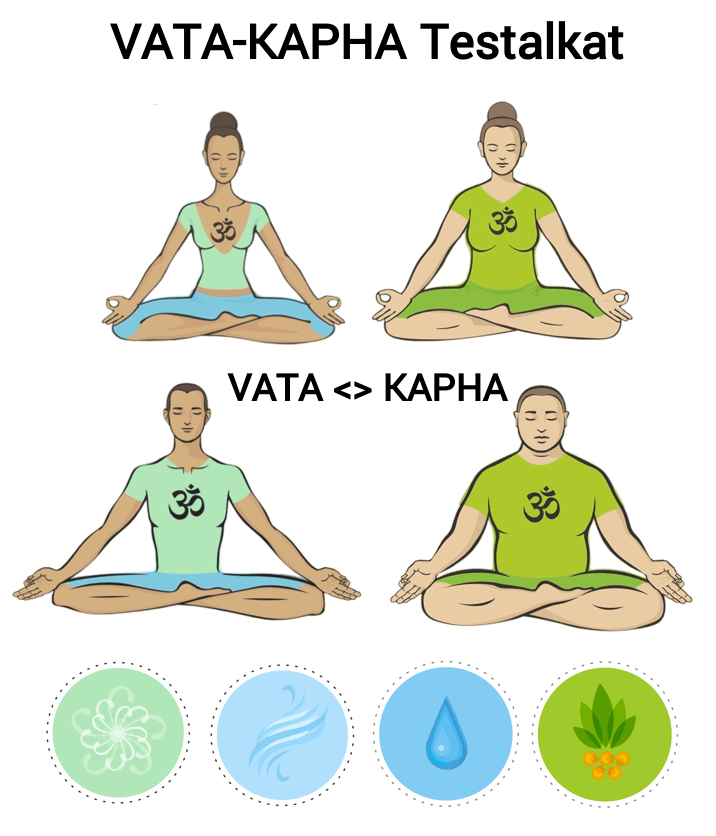
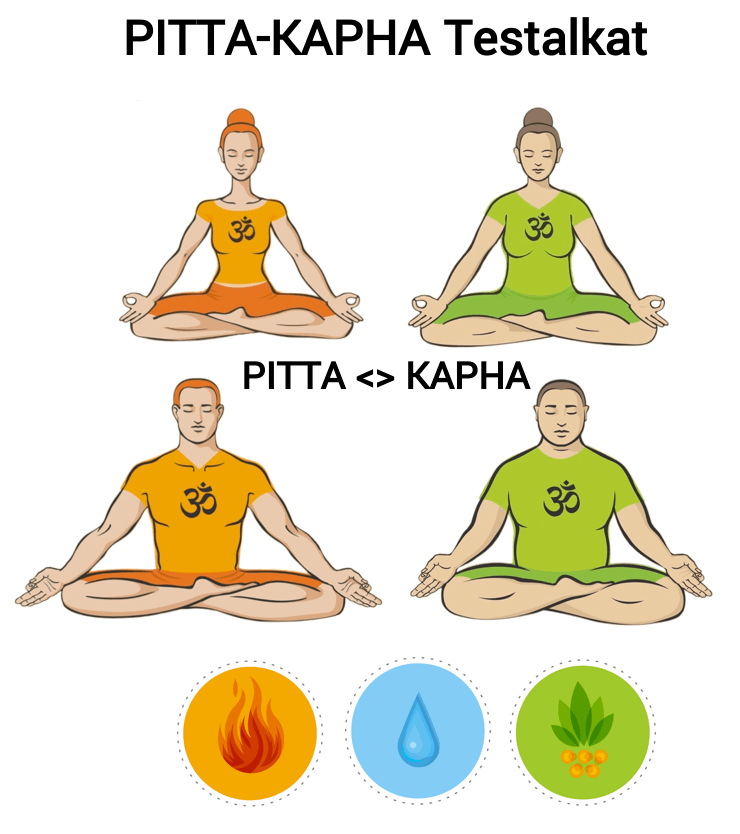
Ayurveda, the ancient Indian system of medicine, emphasises the importance of understanding the three main distinct life stages to support optimal health. These stages are fundamentally influenced by the energy of the three doshas: vata, pitta and kapha, and are key to understanding how our body and mind changes and evolves over the years. Childhood is a time of ‘kapha‘ (water) energy, a time of anabolism or building: ‘nurturing & nourishment’. Adulthood is a time of ‘pitta‘ (fire) energy, a time of metabolism or transformation: ‘establishing identity’. Old age is a time of ‘vata‘ (air) energy, a time of catabolism: ‘integrating life experiences’. The transition between life stages is gradual and can take years. For example, as we move into adulthood, the proportion of ‘kapha‘ energy declines and is replaced by the dominance of ‘pitta‘ or fire energy.
Through the holistic approach of Ayurveda, we need to consider multiple aspects in order to understand what energies are affecting us and how we can respond to them:
The current personal imbalance of the doshas overrides the underlying energy of age, season and climate. However, if we understand how each dosha affects us at different stages of life, we can consciously choose the right routine and remedies to maintain optimal health. If you don’t yet know your Ayurvedic body type, simply fill in our free online test.

Childhood, the beginning of life, is governed by kapha (water) energy. This period is characterised by growth, development and stability, which is a feature of the earthy and watery nature of kapha. Children generally have an abundance of kapha qualities such as softness, flexibility and a strong immune system. At this stage, the body is building up its basic structures, and this fast-paced growth requires a lot of energy, so kapha predominance is essential. A balanced diet that nourishes kapha helps build strong tissues and immunity. Good diet and lifestyle habits developed in childhood lay the foundation for long-term good health.
Children love sweet, earthy and nutritious food, just think of the pasta, bread and sweets they are always craving. However, kapha in excess can lead to common childhood sickness like colds, runny noses and obesity due to too much sweets and sugar. As the immune system develops and strengthens, healthy children are also more likely to get sick than adults, it’s just nature’s way. We cannot avoid the increased kapha energy levels that come with childhood, but we can consciously help avoid harmful kapha excess by establishing a proper diet and daily routine.
As we move into adulthood, pitta (fire) energy gradually increases. This is a time of vitality and transformation: fire and water energy are central. The digestion of childhood experiences and the unfolding of our unique abilities is taking place. It is a period of life that is clear, purposeful, fuelled by fiery energy, and offers the opportunity for transformation. Our main activities are providing a living, caring for our families (both parents and children) and friends. Pitta is a time of change and transformation, where self-awareness, self-control and maintaining a balanced lifestyle are essential.
The fundamental nature of pitta is fiery and hot, so in adulthood we may experience irritability, acidity, feelings of anger or envy, over-exerting ourselves at work or in our chosen hobbies more frequently. Pitta excess can lead to conditions like heartburn, indigestion, ulcers, high blood pressure and inflammation. We can’t avoid the increased energy levels of pitta that come with adulthood, but we can consciously help avoid harmful excess pitta by establishing a proper diet and daily routine. Cooling foods, calming activities and a balanced lifestyle can help regulate Pitta. You can read more about balancing the pitta dosha here.
In the third stage of life, the energy of pitta (fire) is gradually replaced by the dominance of vata (air). This is a period of natural reduction of bodily functions and stamina: with the energy of air and ether in the centre. Our physical body’s capacity for self-renewal and rejuvenation declines and we utilise previously accumulated reserves. Ideally, this process is seamless, as our bodies no longer need the same amount of energy as in earlier stages of our lives. Just think of any learning process, such as cycling or driving a car, where huge amounts of energy and concentration are first required to perform the simplest movements/tasks. As our knowledge deepens, we only need a fraction of the energy and attention to perform the same task.
If the needs of our physical body have been neglected over the years, the vata period will require more attention to maintain a healthy balance. Years of poor dietary choices and physical strain can leave a mark on the body, and one of the ways we can help restore health is by changing our diet – using spices and herbs.
This is a time of wisdom and social responsibility, where we have the opportunity to share the knowledge and experience we gathered with younger generations. Ayurveda also considers this period of life as the age of hermitage, as time goes by we become more inward looking. We focus on spiritual development, understanding the cycle of life and cultivating our connection to the universe. ‘We seek dharma: purity and truth, while our material needs gradually subside’1
The light and dry nature of vata increases the proportion of air in the body, think of the typical age-related problems such as osteoporosis, dizziness, dehydrated joints, digestive problems, and feelings of weakness. Insomnia, experiencing fears, loss of physical vision are all changes linked to the properties of vata. Choosing the right diet and nutrient intake, can help slow down or delay these processes, while still respecting natural changes. Read more about balancing vata dosha here.
Choose sweet, sour and salty flavours. Spicy, astringent and bitter flavours will increase vata. Eating cooked and hot food is best.
Understanding the three main phases of life from a general Ayurvedic perspective provides a useful insight into the context of the natural rhythm of life. The transition between each stage is gradual and affects each person differently based on their own individual constitution, emotional and mental state. The ancient teachings of Ayurveda help us tailor our lifestyle to our changing needs. It allows us to make lifestyle choices according to the specific needs of each stage of life, taking into account the external and internal energies that affect us and our state of balance. By better understanding how the doshas affect us individually, we can change our habits, supporting our individual journey, from facilitating growth in our youth to embracing the wisdom of our later years.
Sources: 1Dr.Frawley Ayurvedic healing, Sebastien Pole Ayurvedic medicine, Dr Vasant Lad Ayurveda