



🌿 Healthy digestion: August and September is the time to focus on our colon and stomach as part of the annual health care programme💚
The large intestine (pakvasaya) is the central organ of the vata dosa, it is responsible for the removal of waste from our body. According to ayurveda, the healthy functioning of the colon helps to keep the dosha in balance and prevents the accumulation of toxins (ama). It has three main functions: (1) absorption of water and electrolytes, (2) stool formation and (3) microbial fermentation. Apana vayu, one of the 5 subtypes of vata dosha, regulates downward movement in the body and peristalsis (bowel movement) in the large intestine. The apana vayu plays a crucial role in excretion and the regulation of body temperature.
The stomach (amashaya) is responsible for the initial digestion of food and the storage of unprocessed food. It is essentially the central organ of kapha dosha, but is also connected with pitta dosha: (1) the energy balance of pitta (fire) affects the strength of digestion and metabolism, while (2) kapha (water) is responsible for moisturizing and softening food mass, making it easier to break down and digest. Kapha helps to protect the stomach lining from an acidic environment by providing an alkaline layer, maintaining a balanced digestive process. Pitta provides the digestive fire to enable the body to extract nutrients from food and avoid the accumulation of toxins (ama). The stomach, together with the small intestine, facilitates the initial stages of digestion, breaking down food into a form that the body can use.
Colon and stomach health from an Ayurvedic perspective
According to Ayurveda, health problems occur when there is an excess or deficiency of certain doshas (biological energies) in the body. These doshas – Vata, Pitta and Kapha – control various physiological and psychological functions.
- Kapha dosha imbalance can lead to digestive problems such as slow digestion, nausea and production of toxins (ama), or conversely, increased acidity and conditions such as acid reflux.
- Large intestine: May cause slow digestion, mucus accumulation and a feeling of heaviness/sickness in the lower abdomen.
- Stomach: Can cause excessive mucus production, slow digestion and a feeling of heaviness after meals.
- Vata imbalance: the temperature and moistness of the large intestine affects the balance of vata dosha and the excretion process – a colder large intestine tends to retain stool, whereas a warmer large intestine promotes faster excretion.
- Colon: Can lead to constipation, bloating, gas and irregular bowel movements due to excessive dryness and mobility of the colon.
- Stomach: May cause variable appetite, indigestion and flatulence.
- Pitta imbalance:
- Colon: Can lead to diarrhea, inflammation or irritable bowel syndrome due to excessive heat and acidity.
- Stomach: Can lead to hyperacidity, acid reflux and burning sensation in the stomach.
If you would like to learn more about your Ayurvedic body type and your current energy balance, complete our free online test.
4 signs that your colon health needs your attention and help:
- Do you suffer from persistent diarrhoea or constipation?
- Is your tongue covered with thick white plaque, indicating a build-up of toxins (ama)? (kapha excess)
- Do you experience gas, bloating or abdominal discomfort after meals?
- Do you have bad breath or a pungent body odour, indicating a build-up of toxins in your body? (pitta excess)
4 signs that your stomach health needs your attention and help:
- Do you feel a lack of appetite, even though you eat little?
- Do you often feel bloated after eating, burping or having hiccups? (vata excess)
- Do you suffer from acid indigestion or a burning sensation in your stomach after meals, which may be a sign of excess pita?
- Do you feel sleepy or experience phlegm or mucus build-up after meals, which could be an indication of kapha excess?
If the answer to any of these questions is yes, your stomach or colon needs your attention to restore healthy function and balance.
Herbal remedies for a healthy colon and stomach
Traditional Ayurvedic medicine uses herbs and spices to strengthen and support the restoration and maintenance of healthy stomach and colon function. There are many excellent spices and herbs available to support healthy digestion, elimination, metabolism and waste removal.
Asafoetida (hing) is highly effective in relieving gas and bloating by balancing vata dosha, promoting smooth bowel movements and reducing digestive discomfort. Ginger is a versatile herb that stimulates digestive enzymes, reduces nausea and relieves indigestion, making it beneficial for both vata and pitta when they are out of balance. Coriander seedis known for its cooling and anti-inflammatory properties, helping to reduce acidity and soothing the stomach, which is particularly beneficial for digestive problems associated with pitta. Cumin seed increases the efficiency of digestive enzymes, reduces bloating and gas, and supports the absorption of nutrients, making it essential for balanced digestion. Turmeric‘s anti-inflammatory and antioxidant properties support the healing of the stomach lining and promote overall digestive health. These herbs and spices can be easily incorporated into daily meals to promote healthy stomach and colon function and prevent gastrointestinal problems.
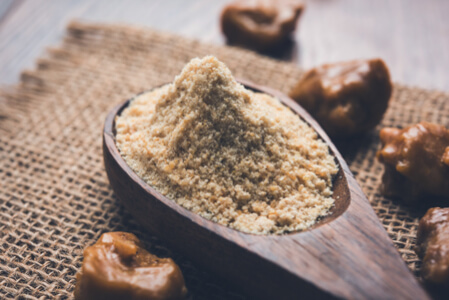


Triphala

A commonly used Ayurvedic blend is Triphala, which is made of three fruits: amalaki, bibhitaki and haritaki. The combination of these herbs works in synergy to support the health of the digestive system, especially the colon. Triphala is known for its gentle colon cleansing and rejuvenating properties, making it an excellent remedy for promoting regular bowel movements and preventing constipation. It helps to detoxify the digestive tract, improve digestion and enhance nutrient absorption. Triphala helps to balance all three doshas, especially vata, which is essential for a healthy colon.

Bael
Bilva, also known as Bael, is a potent herb in Ayurveda, used primarily for its astringent and digestive properties. It is particularly effective in treating digestive disorders such as diarrhoea and dysentery. Bael strengthens the digestive tract, supports the mucous membrane of the intestines and helps to maintain a healthy colon. Its soothing properties make it beneficial for healing ulcers and inflammation of the digestive tract. Bael also helps to balance kapha and pitta doshas, which are essential for optimal digestive health.

Shilajit
Shilajit from the Himalayas is a mineral-rich resin known for its powerful rejuvenating and detoxifying properties. In Ayurveda, shilajit is used to support healthy bowel function and improve nutrient absorption. It helps remove toxins from the digestive tract, promoting overall digestive health. Shilajit also supports the integrity of the mucous membranes of the digestive tract, contributing to better digestion and absorption of nutrients. Its adaptogenic properties help balance all three doshas, making it a versatile remedy for maintaining digestive health.
Dietary recommendations and yoga practices
To support healthy colon and stomach function, ayurveda recommends a balanced diet rich in fibre and easily digestible foods. Eat plenty of fresh fruit and vegetables, whole grains and legumes to ensure adequate fibre intake, which promotes regular bowel movements and cleanses the colon. Hot, cooked foods such as broth, soup, stew and steamed vegetablesincrease the digestive fire (agni). Enjoy the benefits of spices that stimulate digestion, such as ginger, cumin, corianderand fennel. These help reduce bloating and prevent the build-up of toxins (ama). It is best to minimise cold, raw or processed foods, which weaken the digestive fire. Eating smaller, more frequent meals and chewing food thoroughly will further enhance digestive efficiency and overall digestive health.
Recommended pranayama and yoga exercises: – colon
- Breathing exercises: Nadi shodhana (alternate nostril breathing) – helps to balance the body’s energies and calm the nervous system, Kapalabhati – stimulates the digestive organs and removes toxins
- Yoga practices: cat-cow pose (cat-cow/Marjaryasana-Bitilasana) – massages the abdominal organs and increases bowel movements, Pavana muktasana (wind-relieving pose), Malasana (garland pose) – opens the hips and promotes elimination, Ardha Matsyendrasana (half-fish king pose) – stimulates the digestive organs through twisting
These exercises promote regular bowel movements, reduce stress and improve overall digestive health.
Recommended pranayama and yoga exercises: – stomach
- Breathing exercises: Ujjayi (victorious breathing) – calms the mind and stimulates the digestive fire, Nadi shodhana (alternate nostril breathing) – helps balance the body’s energies and calm the nervous system
- Yoga practices: bhujangasana (cobra pose) stretches and strengthens abdominal muscles, stimulates digestion; vajrasana(lightning or diamond pose) practiced after meals to enhance digestion; pascimottanasana (seated forward bend) massages abdominal organs and improves digestion; ardha matsyendrasana (half fish king pose) – stimulates digestive organs through twisting
These exercises promote better digestion, reduce stress and improve overall stomach health.
Take an active role looking after your stomach and colon health, choose natural remedies!
Ayurveda, the power or nature
Sources: Dr. David Frawley Ayurvedic healing, Sebastien Pole Ayurvedic medicine, lybrate.com, easyayurveda.com, ayurvedacollege.com ,colettepark.co.uk ,intechopen.com
