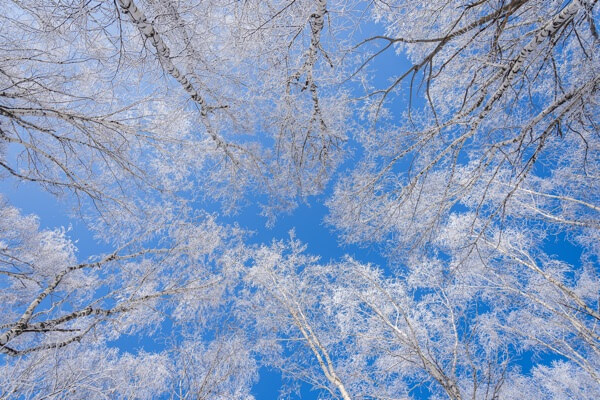
As winter slowly blankets the world in a serene stillness, our bodies and minds undergo subtle shifts in response to the season’s unique energies. Ayurveda, the ancient system of Indian holistic healing, offers simple and useful practices to help us enjoy the winter months in balance and health, in harmony with nature.
In ayurveda, each season is associated with specific qualities and doshas (mind-body constitutions). The windy, cool period of autumn dominated by Vata (air energy) is coming to an end and winter is slowly setting in. The cold, cloudy, rainy-snowy months from December to February are dominated by Kapha or water energy, when colds and respiratory illnesses are common. Kapha, made up of the elements of water and earth, regulates the stability and structure of the body and the fluid balance of our bodies. After the long and dynamic months of summer and autumn, winter is a time for rest and relaxation. Changes in the time of day and the seasons affect the balance of energies in our body. If we apply the Ayurvedic principle that opposites balance each other out, the winter Kapha period will be less stressful if we fill it with warming spices, light and dry foods, energizing activities and maintaining a routine that supports both physical and mental vitality. To do this, we need to first of all pacify the Kapha (water) energies without increasing the Vata (water-air) energy, and increase the Pitta (fire) energies in proportion. For those with a Kapha body type, it is even more essential to pacifying Kapha (water) energies at this time of the year.
To best support our health during this season, Ayurveda suggests a few simple yet effective lifestyle adjustments:

Adjust the balance of flavours in your meals according to the changing season: pungent flavour reduces Kapha (water) energy and increases the fire energy (Pitta), so feel free to spice up your food. Astringent and bitter flavours also help to pacify the increased Kapha (water) energy in our environment. Be mindful of your own body constitution (Prakriti) when choosing your flavours, for Vata dominant individuals, bitter and sour flavours should be consumed in moderation as they increase the energy of Vata. For all body types, sweet, salty and sour tastes should be consumed in moderation during winter as they increase Kapha energy.
Winter is the perfect time to eat light and dry foods to help keep the digestive fire burning and balance the increased moisture/fluids in our bodies. Choose light, drier cereals such as barley, corn or millet, and eat steamed or cooked vegetables in abundance, such as potatoes, cabbage, beans, peas, broccoli, cauliflower. Use warming spices like ginger, cinnamon, asafoetida or cloves. These help to intensify the digestive fire and also balance the Vata (air) energy. Spice things up: pepper, fennel, turmeric, chilli, mustard, horseradish, almost any spice is good (except salt and tamarind)! Fruits that have a sour taste like apples, pomegranates or blueberries are good, also it’s time to switch to eating compotes and chutneys. These choices help to offset the cold and wet weather of the season.

Hydration is important all year round, but during the wet winter months it is best to cook with less water and avoid too juicy, cooling vegetables and fruits such as cucumbers, pineapple or avocado. It is also best to avoid cold drinks, frozen yoghurts and ice creams at this time of year. Drink spicy hot tea with ginger, honey, lemon and apple – our favourite recipe.
Incorporate Ayurvedic herbs and a variety of spices into your daily routine to boost your immune system and utilise the power of natural antibiotics and antiviral herbal remedies.
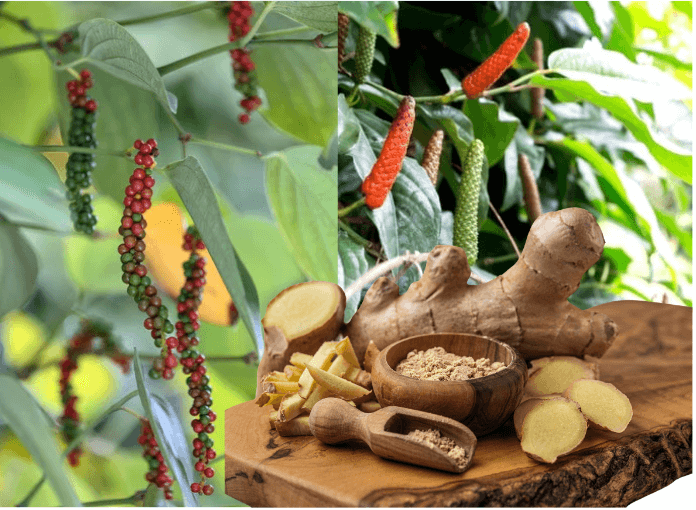
Trikatu, a powerful Ayurvedic herbal blend of black pepper, long pepper and ginger, enhances the digestive fire (agni), stimulates digestion and nutrient absorption. This trinity of pungent-tasting spices acts as a metabolic enhancer, aiding the burning of excess toxins in the body. Trikatu‘s heat-producing properties help to keep the airways clear and, for those who feel cold all year round, it helps to raise body temperature and gives a feeling of inner warmth.
Famous for its exceptionally high antioxidant and natural vitamin C content, Amla or Amalaki strengthens the immune system, helping the body resisting against infections.
Ayurveda recommends a number of herbs and spices to aid digestion during the winter months: ginger, cumin, fennel, turmeric, black pepper and asafoetida, to name a few, are all digestive aids that help us strengthen our immune system for the winter season. When incorporating these herbs and spices into your winter diet, it’s important to be mindful of how your body reacts so you can tailor your choices to your individual body constitution.
As the weather becomes colder and wetter, continue to nourish your skin and calm your nervous system with regular oil massages. Ayurvedic oils like sesame or almond, when gently massaged onto the body to improve circulation, and promote a sense of relaxation and well-being. Consider making this a part of your weekly routine.

For individuals with Kapha constitution, and for everyone in general during this period dominated by Kapha energy, exercise is of paramount importance to improve circulation and promote a healthy heart. Regular exercise helps keep the body warm and energy balanced. Enjoy long walks in nature with your dogs and immerse in the fresh crisp air of winter. Choose yoga exercises that generate heat and stability. Slow, deliberate movements and poses that focus on grounding, such as standing and sitting postures, can be especially beneficial in winter. Besides their physical benefits, they can also help us mentally recharge and ground our energies.
Winter is a time for rest, as the days get shorter and shorter, adjust your daily routine to the natural rhythm of the season, wake up with the sunrise and relax in the evening. A consistent sleep routine helps us feel more rested and rejuvenated, ensuring deep and restful sleep. Try extending your sleep time by going to bed early rather than lazing around in the morning.
Dress warm, wear layers and keep dry, balancing the increased Kapha energy in your environment, which continues to be accompanied by the energy of Vata (air). Spend time outdoors during the short daylight hours, enjoying the fresh air. In addition to exercise, maintain mental freshness, read, meditate, learn new things.
The winter recommendations of Ayurveda revolve around adapting to the changing characteristics of the season. By nurturing our bodies and minds with warm, light, nourishing food and mindfulness, we can tune in to the transition of nature and enjoy the beauty and harmony of winter. Ayurveda is a highly personalized system of traditional medicine, and recommendations may vary based on individual body type and current imbalances. Consulting an Ayurvedic practitioner can provide personalised guidance on how to optimise our health at any time of the year. To find out your Ayurvedic body type, complete our online test.
Sources: Dr.Frawley Ayurvedic healing