


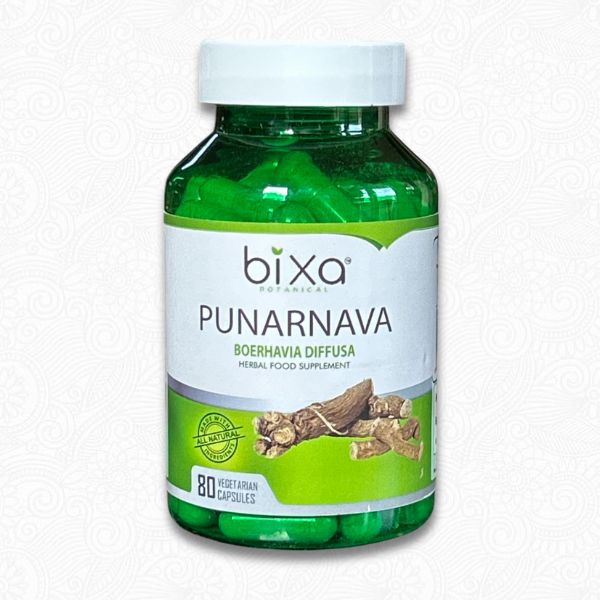



Diuretic herb for heart, kidney, urinary tract and joint health
The word ‘punarnava‘ means “to rejuvenate or renew the body”. In Ayurvedic healing, it is used for its diuretic, rejuvenating and detoxifying effects to support heart, kidney and liver function, and to treat joint problems. Kapha reducing herb: very useful for people with kapha constitution and kapha energy in excess. Known for its diuretic and detoxifying properties, Punarnava supports kidney health by maintaining proper fluid balance and promoting natural detoxification. It enhances liver function, purifies the blood, and is effective in treating edema and inflammatory problems. Relieves oedematous joint complaints, supports digestion and improves appetite. Promotes healthy weight management, especially if one tends to gain weight easily instead of losing weight. Punarnava also supports healthy urine excretion and regulates proper tissue fluid levels. It calms the dosa of kapha and pitta, and increases the dosa of vata in case of overconsumption.
What is Punarnava?
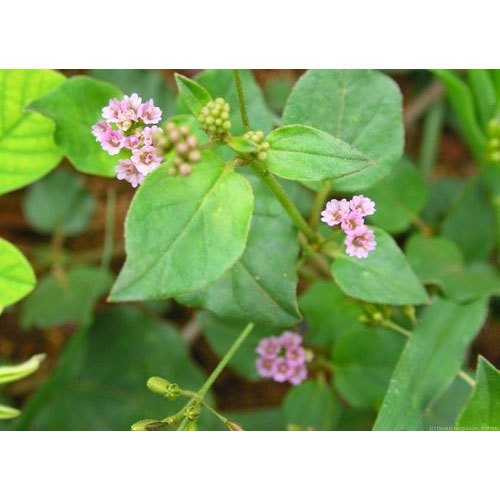
Punarnava powder is the dried and ground root of the Boerhavia diffusa plant. Punarnava is a spreading perennial herb native to India and tropical regions, thriving in warm climates and sandy soils. Its name means ‘the rejuvenator’. It is easily recognised by its tiny pink flowers. Traditional Ayurvedic medicine uses mainly the roots of Punarnava, which is bitter, cooling and mildly astringent. Its roots are full of bioactive compounds such as alkaloids and flavonoids, which contribute to its diuretic, anti-inflammatory and detoxifying effects.
General effects of Punarnava based on Ayurvedic observations
- Diuretic: removes excess fluid (kapha) from the body (chest, stomach, joints)
- Helps regulate healthy tissue fluid balance
- Helps eliminate edema (heart, joints)
- Supports proper functioning of the heart, liver and kidneys
- Flush toxins and accumulated fluid from the channels
- Stimulates appetite
- expectorant: relieves coughing due to excess fluid
- Rejuvenating
- Absorbs fluid from the intestines (may cause constipation)
- Stone dissolver
Beneficial in the treatment of the following symptoms / diseases1,2
- Edema due to heart failure
- Swollen, oedematous joints, gout
- Weight control
- Relieving difficult breathing associated with heart problems
- Cystitis, systemic oedema
- Kidney inflammation, urinary problems
- Digestive problems
- Treatment of Kapha type anaemia
- To reduce excessive menstrual bleeding
- Cataracts, conjunctivitis
Energetic effects based on Ayurvedic observations
- Rasa – Taste: bitter
- Vipaka – Post digestive effect: pungent
- Virya – Heat effect: cooling
- Dosha impact: pacifies all three doshas, especially kapha dosha, overconsumption may aggravate vata dosha
Product quality guarantee:
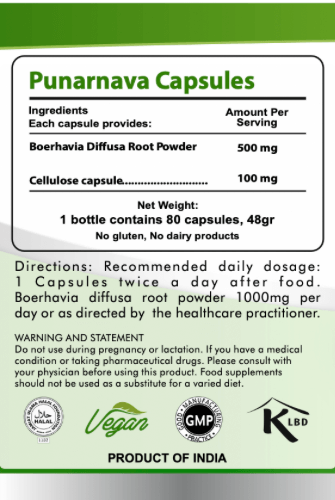
Our supplier partner in India is a certified organic producer of Ayurvedic products. All our products are 100% vegan, with cellulose capsules and Halal and Kosher certified.










Scientific research and publications on Punarnava
There are several scientific studies on the uses and benefits of Boerhavia diffusa. Studies have investigated among other things its diuretic effects and its effects on heart, kidney, urinary tract and joint health. Some of these publications include:
- “Ethnomedicinal values of Boerhaavia diffusa L. as a panacea against multiple human ailments: a state of art review”, 2023 Nov, PubMed
- “Phytochemical, Therapeutic, and Ethnopharmacological Overview for a Traditionally Important Herb: Boerhavia diffusa Linn.”, 2014 May, PubMed
- “Top Health Benefits of Punarnava with Its Nutrition Value and Uses”, 2024 Jul, TrueMeds
- “Health Benefits Of Punarnava”, 2024 Aug, TataAIG
- “Punarnava: Benefits, Uses, Dosage, and Adverse Effects”, 2023 Mar, NetMeds
- “Punarnava”, 2022 Aug, Tata1MG
- “Ophthalmic uses of Boerhaavia Diffusa L. (Punarnava): Review”, 2016, International Journal of Herbal Medicine3
- “Detail Study on Boerhaavia Diffusa Plant for its Medicinal Importance- A Review”, 2012, Research Journal of Pharmaceutical Sciences4
Sources: 1Dr David Frawley, Dr Vasant Lad “Ayurvedic Herbs”, 2 Sebastien Pole, Ayurvedic medicine
How does Punarnava affect the kidneys?
Based on Ayurvedic observations, punarnava is very useful for supporting a healthy function of the kidneys. It is diuretic and anti-inflammatory. It helps the natural elimination of kidney stones by increasing the flow of urine. It is also used to treat kidney inflammation and systemic oedema in Ayurvedic medicine. Kapha reducing herb.
How does Punarnava affect heart function?
Punarnava (Boerhavia diffusa) supports healthy heart function through its diuretic, anti-inflammatory and antioxidant properties. Kapha reducer: relieves cardiac stress and facilitates breathing by removing excess fluids and reducing water retention. Helps maintain proper blood pressure levels. The anti-inflammatory action helps to reduce vascular inflammation, while the antioxidants protect heart tissue and blood vessels from oxidative stress, preventing damage and atherosclerosis. In addition, Punarnava helps cholesterol metabolism, helps manage lipid levels and improves circulation. By balancing kapha and pitta doshas, it supports optimal cardiac function, making it an effective ally in maintaining a healthy and resilient heart. In traditional Ayurvedic medicine, it is often used in combination with Arjuna and Dasa Mula as a cardiovascular support.
Is Punarnava good for diabetes?
Punarnava can help regulate blood glucose levels: it restores and regulates the cells in the body responsible for producing and maintaining insulin levels.2,4
Is Punarnava good for the eyes?
Punarnava is anti-inflammatory and rich in antioxidants, helping to prevent damage to the eye caused by free radicals, which are responsible for the development of cataracts. It helps reduce the symptoms of conjunctivitis, itching and eye infections.3
Which herbs are used in combination with Punarnava?
- Arjuna, Shudh Guggul: heart problems related to vata and kapha excess weight , heart failure
- Gokshura, Guduchi: treatment of oedema, kidney inflammation, kidney problems
- Gokshura, coriander: treatment of urinary tract infections
- Guduchi, dried ginger: arthritis
- Guduchi, shilajit: diabetes
- Ashoka, manjishtha: uterine bleeding
When is Punarnava not recommended?
- Diarrhoea
- When taking sedatives, antidepressants and epilepsy medicines
How does Punarnava affect the joints?
Punarnava helps to improve digestion and increase urine production, which helps the kidneys to more easily excrete accumulated uric acid from the body, thus helping to reduce the symptoms of gout. It removes excess fluid (kapha) from the joints, helping to eliminate oedema.


Reviews
There are no reviews yet