


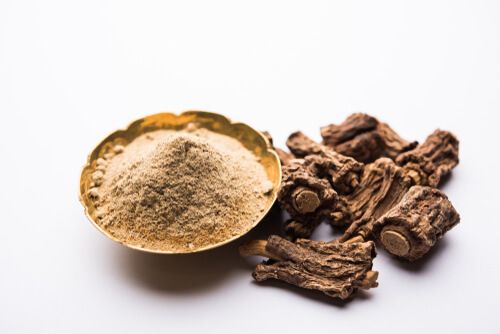





Sarsaparilla is a natural coolant and blood purifier
Anantmool, also known as Indian Sarsaparilla (sariva, sugandhi) is a detoxifying, cooling and rejuvenating ayurvedic herb. Particularly effective in pacifying pitta dosha, it helps reduce excess heat and inflammation in the body, while also having a soothing effect on aggravated vata dosha. Often used as a natural blood purifier, anantmool cleanses the skin, helping to relieve acne, eczema and other skin irritations. It also supports balanced digestion, nourishes reproductive tissues and promotes hormonal balance. Anantmool’s sweet, cooling energy not only cleanses toxins, but also has a calming effect on the mind, helping to relieve stress and restore emotional balance. Pacifies all three doshas.
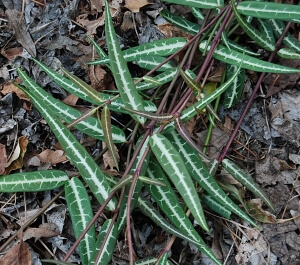
What is Anantmool or Sarsaparilla?
Dried, ground powder made from the roots of the plant Hemidesmus Indica. Anantmool is Sanskrit for ‘eternal root‘, and its Hindi name is ‘sugandhi‘ meaning ‘fragrant‘. It is a slender creeping plant with long red roots and a sweet, aromatic fragrance. The red colour indicates the connection with the blood and is used mainly to treat problems related to heat or toxins in the blood. It helps remove excess pitta (heat) from the joints, nervous system, digestive and reproductive organs. It is a tropical plant that has been used for centuries in traditional medicinal systems, including Ayurveda, to treat skin, musculoskeletal, urinary and hormonal (male and female) problems.
General effects of Anantmool based on Ayurvedic observations
- Anti-inflammatory, Antipyretic
- Detoxifying, Blood purifying
- Acid regulator, antacid
- Diuretic
- Reduces swelling of lymph nodes
- Relieves itching and reduces pus in skin problems
- Stimulates appetite
- Has a calming effect
- Women’s health: preventing miscarriage, increasing the quantity and quality of breast milk
- Men’s health: supports healthy sperm and testosterone production
Beneficial in the treatment of the following symptoms / diseases1
- Skin problems: eczema, psoriasis, nettle rash, rosacea
- Urinary problems: urinary tract infections, dark red cloudy urine
- Bladder infections, urethritis, kidney infections, prostatitis
- Digestion: inflammation of mucous membranes, hot-watery-strong odoured diarrhoea, anorexia
- Joints: acute and chronic gout, inflamed and red joints, rheumatoid arthritis
- Women’s health: menorrhagia
- Men’s health: low sperm count
Energetic effects based on Ayurvedic observations
- Rasa – Taste: bitter, astringent, sweet
- Vipaka – Post digestive effect: sweet
- Virya – Heat effect: cooling
- Dosha impact: Particularly useful for reducing excess pitta, pacifies all three doshas
Product quality guarantee:
Our supplier partner in India is a certified organic producer of Ayurvedic products. All our products are 100% vegan, with cellulose capsules and Halal and Kosher certified.










Scientific research and publications on Anantmool
There are several scientific studies on the uses and benefits of Hemidesmus indica. Studies have investigated effects on hormonal balance, digestion and the nervous system, amongst others. Some of these publications include:
- “Hemidesmus Indicus (anantmool): A potential traditional plant with antivenom activity” Researchgate
- “Indian Sarsaparilla (Hemidesmus indicus): Recent progress in research on ethnobotany, phytochemistry and pharmacology” PubMed
- “Ayurvedic And Modern Aspects of Sariva (Hemidesmus Indicus R. Br): An Overview” Interscience.org.uk
- “Pharmacological and therapeutic profile of Anantamula (Hemidesmus Indicus (L.) R.Br.): A Comprehensive Review” International Journal of AyurvedaandPharma Research
- “Anantamul (Hemidesmus indicus) A Review of Biomedical Studies and U.S. Products” Researchgate
Forrás: 1Dr David Frawley Ayurvedic Healing, 2Sebastian Pole Ayurvedic Medicine
What types of skin conditions is Anantmool recommended for?
Anantmool is primarily used in Ayurvedic healing for the treatment of pitta-type skin problems. Its cooling, sweet and bitter taste and its ability to bind with blood tissues help clear inflammation from the skin: it is used for eczema, psoriasis, urticaria, rosacea and acne caused by aggravated bhranjaka pitta. Based on Ayurvedic observations, it cleanses the blood, reduces lymphatic swelling, eliminates itching and reduces pus. It is also used externally as a paste or cream to treat the above skin problems.
How does Anantmool affect digestion?
It is a useful herb for stimulating appetite for people with a pitta constitution without aggravating acid production. Helps remove excess pitta from the digestive tract. Acts as an acid regulator, antacid and blood purifier.
How is Anantmool used to treat urinary tract problems in Ayurveda?
Indian sarsaparilla supports the healthy functioning of the urinary tract. It also helps to reduce the burning sensation caused by urethritis and relieves inflammation when consumed with Jeera/caraway seed water. It is also used to treat urinary tract infections associated with dark red, cloudy, painful urination: cystitis, urethritis, kidney infections, prostatitis.
How does Anantmool affect the nervous system?
Anantmool (Hemidesmus indicus) is beneficial for our emotional health, especially for emotional problems associated with high pitta dosha, such as anger and irritability. Its sweet and cooling qualities nourish the mind and pacify pitta excess, calming the nerves. It is traditionally used in Ayurveda to clear the mind of negative emotions such as anger and irritability.
When is Anantmool not recommended?
Based on Ayurvedic observations, there are no specific contraindications to its use. It can be taken during pregnancy and breast-feeding in the recommended daily dosage, but it is recommended to consult a specialist before use.


 is a detoxifying, cooling …</p>
)
Reviews
There are no reviews yet