


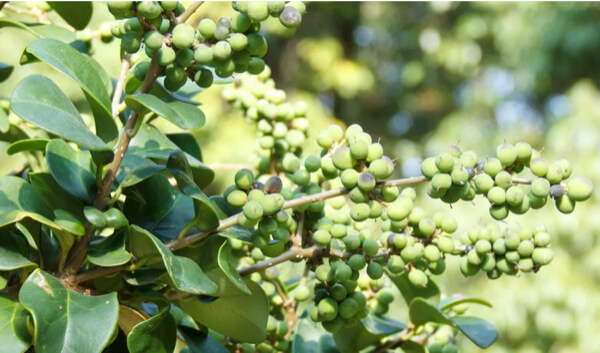



Sudh means “pure“, Sudh Guggul is the purified, processed form of the herb Guggul. In Sanskrit, “guggulu” means “to protect against disease“. Guggul is an ancient herb widely used in Ayurvedic medicine. It helps regulate cholesterol levels, promotes weight loss, regulates thyroid hormone (thyroxine), increases white blood cell count, and affects all tissues. Supports healthy tissue regeneration. It has a powerful detoxifying and rejuvenating effect, eliminating toxins accumulated in the body’s channels. Supports healthy muscle and nerve tissue function, helps restore joint flexibility.
In Ayurvedic medicine, the resin of guggul is used for several herbal mixtures. It has the ability to reach deep into the tissues. When mixed with other herbs, it helps the active ingredients to be delivered to the tissues and enhances their effects. Learn about Kanchnar Guggul, which promotes healthy lymphatic function and is particularly useful for treating problems associated with Kapha Dosa excess. Its astringent action helps remove excess fluid (kapha) from the tissues. It promotes the natural retraction of cysts and tumours.
Guggul is also known for its role in cholesterol control. It has lipid-lowering properties that help to reduce low-density lipoprotein (LDL) cholesterol and high triglyceride levels, while increasing high-density lipoprotein (HDL) cholesterol levels. It is thus very useful in the management of cardiovascular problems and in reducing the risk of heart disease. It helps maintain healthy cholesterol levels.
Supports the maintenance of healthy body weight: stimulates metabolism and promotes the elimination of accumulated natural toxins. Its pungent, bitter and astringent taste and pungent digestive after-effects help digest oils and fats and remove dead tissues.

What is Sudh Guggul made of?
Commiphora mukul (Commiphora wightii), also known as Guggul, Indian bdellium or Hindu balsam tree, is a small thorny tree native to India and the Middle East. The resin is extracted from the bark of the tree and processed into various forms.
General effects of Guggul based on Ayurvedic observations
- Cholesterol lowering
- Anti-inflammatory and analgesic, relieves joint pain
- Stimulates digestion and boosts metabolism
- Stimulates thyroid function
- Promotes weight loss
- Cell regenerating, rejuvenating
- Blood purifier
- Antiseptic
- Nerve tonic
- Regulates menstruation
- Natural expectorant, helps keep the airways free and clear, mucolytic
- Increases blood flow, reduces blood clots and helps to clear atherosclerosis
- Helps increase the number of white blood cells
- Its anti-inflammatory and antimicrobial properties are beneficial for the skin (eczema, acne)
- Tridosha, balancing for all three dosas (vata, kapha, pitta). Long term use may increase pitta dosha (fire energy). Primarily known for reducing excess vata.
It is beneficial in the treatment of the following symptoms / diseases
- Hypothyroidism
- Digestive disorders
- Weight control, obesity
- Diabetes
- Respiratory problems: bronchitis, cough, whooping cough
- Skin conditions: eczema, wound and ulcer treatment
- Arthritis, swelling of hands and feet, crackling joints
- Rheumatism, Gout, Lumbago
- Ischaemic heart disease, angina, congestive heart failure2
- Hemorrhoids
- Cystitis
- Prostate enlargement (vata and kapha type)
- White discharge
- Reduces tumours and dead tissue
- For mouth and throat infections, can be used gargled and mixed with water
Warning: Not recommended in the acute stage of acute kidney infections and skin rashes.
Energetic effects based on Ayurvedic observations
- Rasa – Taste: bitter, pungent, astringent, sweet
- Vipaka – Post digestive effect: pungent
- Virya – Heat effect: heating
- Dosha impact: has a balancing effect on all three dosas, pacifies vata and kapha dosha, may aggravate pitta in excess
Product quality guarantee:
Our supplier partner in India is a certified organic producer of Ayurvedic products. All our products are 100% vegan, with cellulose capsules and Halal and Kosher certified.








Scientific research and publications on Sudh Guggul
There are several scientific studies on the use and beneficial effects of Commiphora mukul. Studies explore, among other effects, cholesterol-lowering effects, anti-inflammatory and antioxidant properties, weight-loss effects and effects on thyroid function. Some of these articles (available in English as they are international publications):
- “Therapeutic effects of guggul and its constituent guggulsterone: cardiovascular benefits”, 2007, PubMed
- “Guggul for hyperlipidemia: a review by the Natural Standard Research Collaboration”, 2005, PubMed
- “The guggul for chronic diseases: ancient medicine, modern targets”, 2008, PubMed
- “Medicinal properties and health benefits of guggul-Commiphora mukul “, 2023, Aip
- “The use of Guggulu in Ayurveda and how to prepare it”, 2022, herbalreality
References: 1Dr David Frawley, Dr Vasant Lad “The Yoga of Herbs”, 2 Sebastien Pole, Ayurvedic medicine
Can Guggul be used externally?
Yes, in Ayurvedic medicine, guggul is often used externally mixed with ghee or other carrier oils. External application allows the active ingredients of the herb to be absorbed through the skin.
Some uses include:
- Joint problems: ointments or oils containing guggul can be applied to the joints, allowing the anti-inflammatory properties of the herb to be applied locally, helping to relieve discomfort associated with joint problems.
- Skin conditions: external use of Guggul may help with certain skin conditions such as eczema or psoriasis. The anti-inflammatory and antibacterial effects of guggul may be beneficial in supporting skin health.
- Wound healing: in some cases, guggul is used in wound healing preparations, as its anti-inflammatory and antimicrobial properties may contribute to wound healing.
- Mouthwash: can be used mixed with water to gargle and rinse, helping the teeth, gums and oral mucosa to stay healthy.
Please note: please consult an Ayurvedic specialist or doctor before any external application, who will help you to determine what proportion of the mixture is needed for your individual needs. Due to individual sensitivity and possible allergic reactions, always try a small area first and if you experience any skin irritation or other side effects, stop application and consult an Ayurvedic professional.
When is Guggul not recommended?
Guggul is not recommended in case of:
- Acute kidney infection, kidney inflammation
- Skin rash diseases in the acute stage
- Uterine haemorrhage
- Hyperthyroidism
- During pregnancy, breast-feeding or if you are trying to get pregnant
Long-term continuous use aggravates pitta (fire) dosha. Excess use can cause dry mouth, weight loss, dizziness, impotence.
If you are taking any of the following medications, you should always check with your Ayurvedic specialist or doctor about potentially trying Guggul:
- Hypoglycaemic medicines
- Lipid-lowering
- Anticoagulant
- Medicines for diabetes
- Estrogen



Reviews
There are no reviews yet