



🌿October is the time to focus on our spleen, pancreas and immune health 🌿
In Ayurveda, the spleen (pliho) is primarily associated with pitta dosha, one of the essential organs of the body’s digestive and blood purification processes. It plays a key role in supporting the Agni (digestive fire), helping in the absorption of nutrients and the production of blood tissue (rakta dhatu). The spleen works closely with the liver and other digestive organs to remove toxins and maintain a healthy immune system. Spleen problems are often associated with Kapha and Pitta dosha imbalances: they can cause anaemia, indigestion and a weakened immune system.
The pancreas controls the digestion and metabolism, and is linked to pitta dosha. Its primary function is the production of digestive enzymes and hormones such as insulin, which are essential for the breakdown of food and the regulation of blood sugar levels. This is in line with the Ayurvedic view of energy and vitality regulation. If the pancreas is not working properly, especially because of Kapha or Pitta disturbance, it can lead to diabetes (Madhumeha), indigestion or other metabolic problems.
The Ayurveda understanding of the immune system is a complex interaction of different factors that contribute to the body’s resistance to disease. It comprises three main concepts: strength (bala), resistance to disease (vyadhi kshamatwa) and vitality (ojas).
- Bala refers to the overall strength and vitality of the body, which is essential for effective self-healing and disease prevention
- Vyadhi Kshamatwa refers to the immune system’s ability to fight pathogens
- Ojas is the end product of proper digestion and tissue nourishment, indicating robust health. It is the foundation of physical strength, immunity, mental clarity and emotional resilience.
Spleen, pancreas and immune health through an Ayurvedic perspective
According to Ayurveda, health problems typically occur when there is an excess or deficiency of certain doshas (biological energies) in the body. These doshas – Vata, Pitta and Kapha – control various physiological and psychological functions.
- Kapha dosha imbalance mainly affects mucous production and fluid retention
- Spleen: can cause anaemia, enlargement of the spleen (splenomegaly), slow blood clearance and water retention problems, or swollen lymph nodes and hay fever.
- Pancreas: diabetes (diabetes, Madhumeha), insulin resistance, slow metabolism and problems with digestion of carbohydrates. Excessive Kapha can lead to weight gain, lethargy and imbalanced blood sugar control.
- Immune system: common colds, allergies, respiratory problems (asthma or bronchitis) and increased susceptibility to infection. The moist and mucous nature of Kapha weakens the immune system, leading to slow healing and chronic immune problems.
- Vata imbalance:
- Spleen: The cold and drying properties of vata weaken the function of the spleen, which hinders the production of healthy blood cells and can lead to general exhaustion. It can cause anaemia, fatigue, dry/raw skin and poor circulation.
- Pancreas: impairs digestion and thus the efficiency of nutrient absorption and metabolism. Typically associated with weight loss, digestive disorders (bloating, gas) and fluctuating blood sugar levels.
- Immune system: may cause chronic fatigue, anxiety, insomnia, dryness – e.g. dry cough, dry joints, dry skin – and autoimmune diseases. Increased susceptibility to infection and slower healing.
- Pitta imbalance: fire energy causes excessive heat, inflammation and tension in the body. Emotional symptoms can also occur, including irritability and anger, which can exacerbate physical health problems.
- Spleen: Common symptoms include enlarged or inflamed spleen, high fever, infections, jaundice and blood disorders. Excess pie heat can cause the spleen to overactive, leading to tissue damage or bleeding disorders.
- Pancreas: Symptoms include sharp abdominal pain, excessive thirst, frequent feeling of hunger and fluctuations in blood sugar levels. Overproduction of digestive enzymes leads to inflammation and irritation of tissues, e.g. acid reflux, intestinal ulcers. Can cause pancreatitis and type 1 diabetes (often linked to autoimmune reaction).
- Immune system.
If you would like to learn more about your Ayurvedic body type and your current energy balance, complete our free online test.
Herbal remedies for a healthy spleen, pancreas and immune system
Traditional Ayurvedic medicine uses herbs and spices to strengthen and support the restoration and maintenance of healthy stomach and colon function. There are many excellent spices and herbs available to support healthy digestion, elimination, metabolism and waste removal.
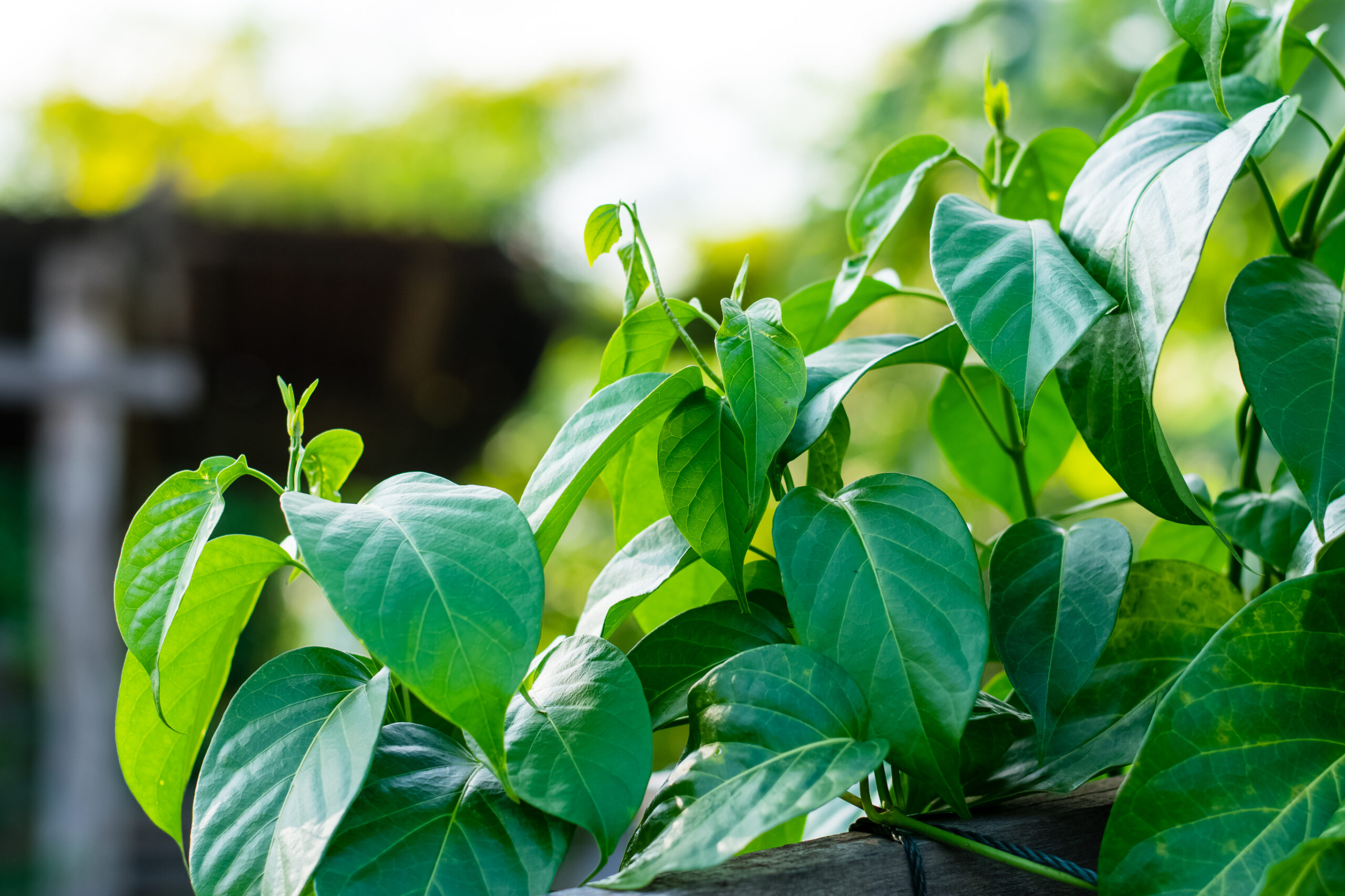
Gurmar
Gurmar is a versatile Ayurvedic herb, also known as ‘the sugar destroyer‘. It helps to regulate blood sugar levels by stimulating insulin production, is effective in treating diabetes and in strengthening the healthy functioning of the pancreas. The blood cleansing properties reduce metabolic stress, aid detoxification and promote healthy blood filtration, helping the spleen to function healthily. Its anti-inflammatory and immunomodulatory effects support a resilient and balanced immune system.
Shilajit

Shilajit is known and used as a powerful rejuvenating and adaptogenic remedy in traditional Ayurvedic medicine. It supports spleen health by promoting blood purification and increasing the production of healthy blood cells, assisting detoxication processes. It also helps regulate blood sugar levels by improving insulin sensitivity and supporting pancreatic function, which contributes to a balanced metabolism and energy levels. Shilajit’s rich mineral content and antioxidant properties boost the immune system by increasing the body’s resistance to stress and disease, promoting overall vitality and resilience.
Ayurveda recommends a number of spices and herbs to support the healthy functioning of the spleen, pancreas and immune system:
- Ashwagandha is an adaptogenic herb that supports overall immune response by improving vitality, reducing stress and strengthening the body’s ability to adapt to various challenges, helping the spleen and pancreas to function more efficiently.
- Known for its nourishing and cooling properties, Shatavari helps balance the firepower of pitta. It is an effective anti-inflammatory and supports healthy spleen and pancreas function.
- Turmeric has anti-inflammatory and antioxidant properties that support the pancreas by regulating blood sugar levels, and supports the immune system by reducing inflammation and improve digestion.
- Amla is rich in antioxidants and vitamin C, rejuvenates the spleen, promotes healthy digestion and strengthens the immune system by boosting Ojas.
- Neem is a powerful blood purifier and immune booster. It supports the detoxification processes of the spleen and enhances the body’s natural defence mechanisms.
- Known as a powerful immunomodulator, Guduchi helps detoxify the spleen, boosts immunity and cleanses the blood, making it a useful herb in maintaining spleen and immune health.
Dietary recommendations and yoga practices
To support the healthy function of the spleen, pancreas and immune system, Ayurveda recommends a balanced diet: eat warming foods made from fresh, seasonal ingredients that nourish the digestive system and strengthen the immune system.
- Root vegetables ( carrot, beetroot, sweet potatoes) and whole grains (quinoa, barley, millet) strengthen the spleen and help regulate blood sugar levels.
- Legumes, lentils and healthy fats like olive oil and ghee support healthy pancreas function.
- Avoid processed, overly sweet or heavy fatty and fried foods as these can put a strain on digestion.
- Use plenty of turmeric, ginger, cinnamon, cumin, black pepper and cardamom when cooking or making tea, as they stimulate digestion, support metabolic balance and boost the immune system.
Recommended pranayama and yoga exercises:
- Breathing exercises: Kapalabhati – stimulates digestion and removes toxins, Nadi Sodhana (alternate nostril breathing) helps balance the body’s energy channels, reduces stress and promotes general well-being, which is essential for immune health. In addition, Bhastrika (Breath Breathing) invigorates the body by increasing oxygen intake and stimulating the abdomen, increasing digestive fire and immune function.
- Yoga exercises: Ardha Matsyendrasana (half fish king pose) – stimulates the spleen and pancreas through twisting, Paschimottanasana (seated forward bend) promote digestion and blood circulation in these organs, Cobra pose (Bhujangasana) and Bow pose (Dhanurasana) strengthen and stimulate the pancreas, improve digestion and regulate blood sugar levels, Viparita Karani (Feet on the wall) relaxes the body, increases lymphatic circulation and supports immune function.
Take an active role looking after your spleen, pancreas and immune health, choose natural remedies!
Ayurveda, the power of nature
References: Dr. David Frawley Ayurvedic healing, Sebastien Pole Ayurvedic medicine
 is …</p>
)