


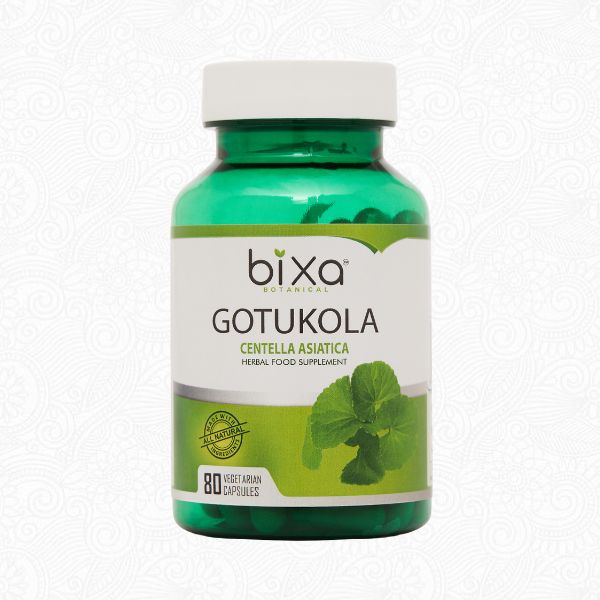
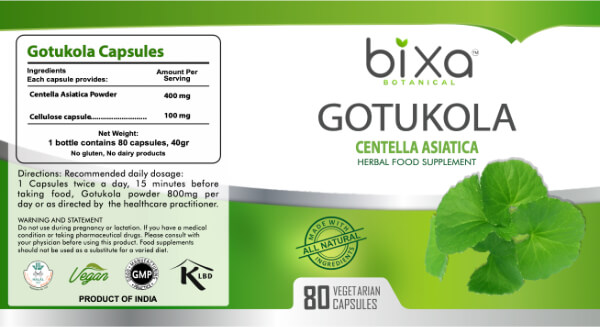
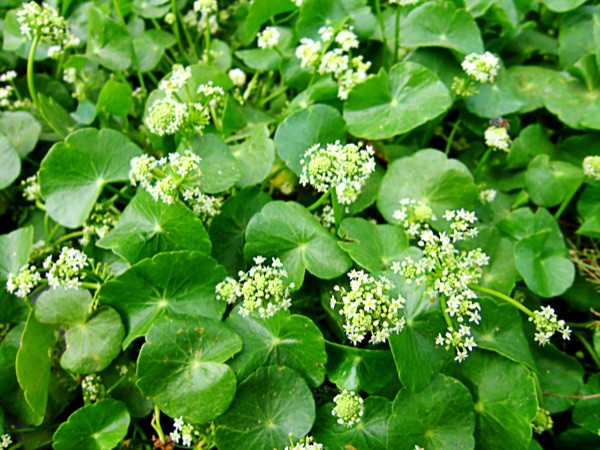



Indian pennywort, also known as Gotu Kola, ‘the herb of enlightenment’
Indian pennywort, or Gotu Kola, is a herb traditionally used to support brain health and improve cognitive function in Ayurveda. Also known as tiger grass, Centella asiatica, or mandukparni, has long been known and used in traditional Asian medicine for its versatile medicinal properties. It is one of the main stimulating and rejuvenating herbs for the nervous system and brain cells. Sattvic, very pure in energy, it grows freely in the Himalayas and is used as a meditation food by yogis.
In Ayurveda, it is traditionally used to rejuvenate the brain and to support and soothe the nervous system. Gotu Kola is also used to heal wounds and support skin health. Based on ayurvedic observations, it supports connective tissue repair and collagen synthesis, making it beneficial for treating scars, wounds, burns and dermatitis.
Tridosha, balancing for all three doshas: strengthening and rejuvenating for pitta (fire), pacifies vata (air) and eliminates kapha (water) excess.1
Gotu Kola children1:
Gotu kola help sharpen the mind, purifies the blood and helps to calm emotional tension. It is especially recommended for hyperactive children, those with excessive sugar intake or low liver function. Read more about the recommended dosage here.
What is Gotu Kola?
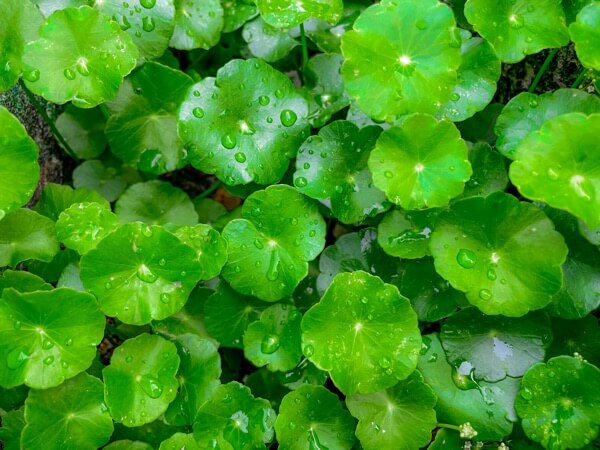
A dried, ground powder made from the leaves of the Centella asiatica plant.
General effects of Gotu Kola based on Ayurvedic observations
- Strengthens cognitive function: helps maintain mental freshness, improves concentration, enhances memory
- Opens and clears the mind, enhances awareness, is widely used to aid meditation, awakens the crown chakra
- Adaptogenic stress reliever, helps the body adapt to stress and calm the mind
- Skin rejuvenator, promotes skin regeneration by supporting collagen synthesis
- Wound healing, supports tissue repair and regeneration
- Anti-inflammatory action
- Supports the overall health of the nervous system, Nerve tonic
- Used to support muscle and bone health due to its anti-inflammatory effects
- Nourishes joints
- Supports healthy functioning of the circulatory system
- Energizes during the day and promotes restful sleep at night
- Has a rejuvenating effect
- Blood purifying
- Antipyretic, mixed with basil and black pepper
- Diuretic
- Strengthens adrenal gland function
- Supports the immune system
- When mixed with ghee, its rejuvenating and boosts energy levels
It is beneficial in the treatment of the following symptoms / diseases
- Cognitive disorders, neurological disorders
- Senility, premature ageing
- Alzheimer’s
- Anxiety and stress-related problems
- Mental fatigue
- Sleep disorders
- Inflammatory skin diseases: eczema, psoriasis, lupus, leprosy, venereal diseases
- Wound healing and tissue regeneration
- Scars, burns and dermatitis
- Joint and musculoskeletal problems
- Circulatory disorders
- Arthritis and other joint disorders, arthritis, gout (to remove toxins, reduce inflammation)
- Cooling, nervine and antispasmodic effects
- Epilepsy
- Treatment of recurrent and intermittent fevers e.g. malaria
- Age-related hearing loss
- Useful in behavioural and developmental disorders such as autism, Asperger syndrome or ADHD (Tillotson 2001)2
- Stroke
Energetic effects based on Ayurvedic observations
- Rasa – Taste: bitter, astringent, sweet
- Vipaka – Post digestive effect: sweet
- Virya – Heat effect: cooling
- Dosha impact: has a balancing effect on all three doshas, strengthening for pitta (fire), pacifies vata (air) energy and eliminates kapha (water) excess3
Product quality guarantee:
Our supplier partner in India is a certified organic producer of Ayurvedic products. All our products are 100% vegan, with cellulose capsules and Halal and Kosher certified.










Scientific research and publications on Gotu kola
There are several scientific studies on the use and benefits of centella asiatica. Studies explore the effects on the nervous system, circulation and skin, among others. Some of these articles (available in English as they are international publications):
- “Centella asiatica (L.) Urban: From Traditional Medicine to Modern Medicine with Neuroprotective Potential” 2012, Jan, Hindawi
- “Three decades of research on Centella asiatica: Insights and future trends from bibliometric analysis” 2023, Jun, ScienceDirect
- “Assessment report on Centella asiatica (L.) Urb., herba”, 2022, Marc, European Medicines Agency
- Gray, N.E., Alcazar Magana, A., Lak, P. et al. “Centella asiatica: phytochemistry and mechanisms of neuroprotection and cognitive enhancement.”, 2017, Sep, Phytochem Rev
- Puttarak, P., Dilokthornsakul, P., Saokaew, S. et al. “Effects of Centella asiatica (L.) Urb. on cognitive function and mood related outcomes: A Systematic Review and Meta-analysis.” , 2017, Apr, Nature
- “Cardiovascular Protective Effects of Centella asiatica and Its Triterpenes: A Review” , 2019, PlantaMedica
Sources: 1,3 Dr David Frawley Ayurvedic healing ,2Sebastian Pole Ayurvedic medicine
When is Gotu Kola not recommended?
Avoid use in combination with benzodiazepines or barbiturates (as it inhibits the liver enzymes responsible for barbiturate metabolism). When taking hypoglycaemic and cholesterol-lowering medicines, diuretics, hormonal agents and vasodilators.
Always check with your Ayurvedic doctor before taking this medicine during pregnancy and breast-feeding.



Reviews
There are no reviews yet